
England’s New School Food Standards 2026 What They Mean for Vegan Kids and Every Child at the Table

A school lunch should not leave a child with a dry baked potato, plain pasta or a plate of side vegetables. But this is exactly what many vegan children face at lunchtime everyday that they're in school. In June 2026, the English government opened up a consultation into school meals, aiming to address the lack of quality and nutrition that school meals currently offer. This consultation has now closed and the outcome could make some positive changes for vegan children.
This post explains what the old rules said, why they often failed vegan children, what the 2026 changes are expected to mean for vegan children, and upcoming campaign, Every Child at the Table, that The Young Vegan is launching.
What the previous school food rules said in England
England’s school food standards set rules for food served in many state-funded schools. They cover lunches and food served at other times of the school day such as breaks and breakfast clubs.
The current framework came from the Department for Education and followed work from the School Food Plan. This tells schools what kinds of food must be served over a day or week, rather than setting exact nutrient targets for each meal, with an aim to provide school meals that support health, growth and learning.
The previous standards required schools to provide, among other things:
Fruit and vegetables every day
A variety of fruit and vegetables across the week
Starchy foods such as bread, rice, pasta or potatoes every day
Wholegrain options on some days
Milk and dairy foods every day
Meat, fish, eggs, beans or other non-dairy protein every day
Meat or poultry on three or more days each week
Oily fish at least once every three weeks
Limits on fried foods, pastry items, confectionery and sugary drinks
These standards improved many menus. They helped move schools away from low-quality, high-sugar, high-fat food, though many schools still served low-nutrient foods, such as pizza and bacon every day.
They also created a serious problem for vegan children.
The rules made animal products central to compliance. Dairy had to appear daily. Meat or poultry had to appear several times a week. Oily fish had its own minimum. Plant proteins such as beans and lentils were allowed, but they did not sit on equal terms with animal products.
The standards did not require a vegan meal. They did not say that a child who eats a vegan diet should have a balanced, appealing lunch each day. They did not tell schools how to provide calcium-rich fortified foods, plant proteins or suitable desserts without dairy or egg.
Some schools and nursery settings did ensure that vegan children were provided for. For example, some offered bean chilli, lentil pasta, chickpea curry, tofu noodles, dairy-free puddings and fortified plant milk.
Many did not.
What the Old Rules Meant for Vegan Children
A child could pick roast dinner, pasta, curry, jacket potato, fish, salad, or dessert. For vegan pupils, choice often meant plain pasta or nothing. This was true even though veganism is a protected characteristic under the Equality Act 2010. One reason is that the Act does not require schools to provide suitable food for pupils based on their protected characteristics.
Some common problems were:
The “vegetarian” meal contained cheese, milk, egg or butter
The vegan option was only available if requested far in advance
Staff did not know whether bread, gravy, margarine or a dessert was vegan
Children received side dishes instead of a proper meal
The same option appeared every day
The meal lacked a clear protein source and was nutrient-poor
Vegan children could not use their free school meal entitlement in the same way as other children, reducing their options further
That last point is important.
Free school meals are meant to reduce hunger and support learning. If the only suitable food is a plain baked potato, a vegan child is not getting equal value from that support.
This is where vegan school meals become an issue of equality. Food is not just nutrition. It is part of school life. Children eat together. They notice who gets a full tray and who does not. They notice who has pudding and who is told, “There’s nothing for you today.”
A vegan child should not have to choose between their beliefs and a proper lunch and they should never face stigma because their school does not provide for them.
There is also a nutrition issue. A well-planned vegan diet supports children’s growth and health. The British Dietetic Association has recognised that well-planned vegan diets can be suitable at every stage of life. For children in school, this planning matters.
A good vegan school meal should include more than vegetables. It should include:
A filling starchy food, such as rice, pasta, potatoes, couscous or bread
A protein food, such as beans, lentils, chickpeas, tofu, soya mince or seitan
Vegetables or salad
A source of calcium, such as calcium-rich vegetables, calcium-set tofu or fortified plant-based yoghurt
Suitable fats, where needed, such as seeds, hummus or vegetable oils
Clear information on allergens and ingredients
Schools need to understand that vegan meals must be planned, not improvised from leftovers. They also need to consider how a child feels when this is how they eat every day.
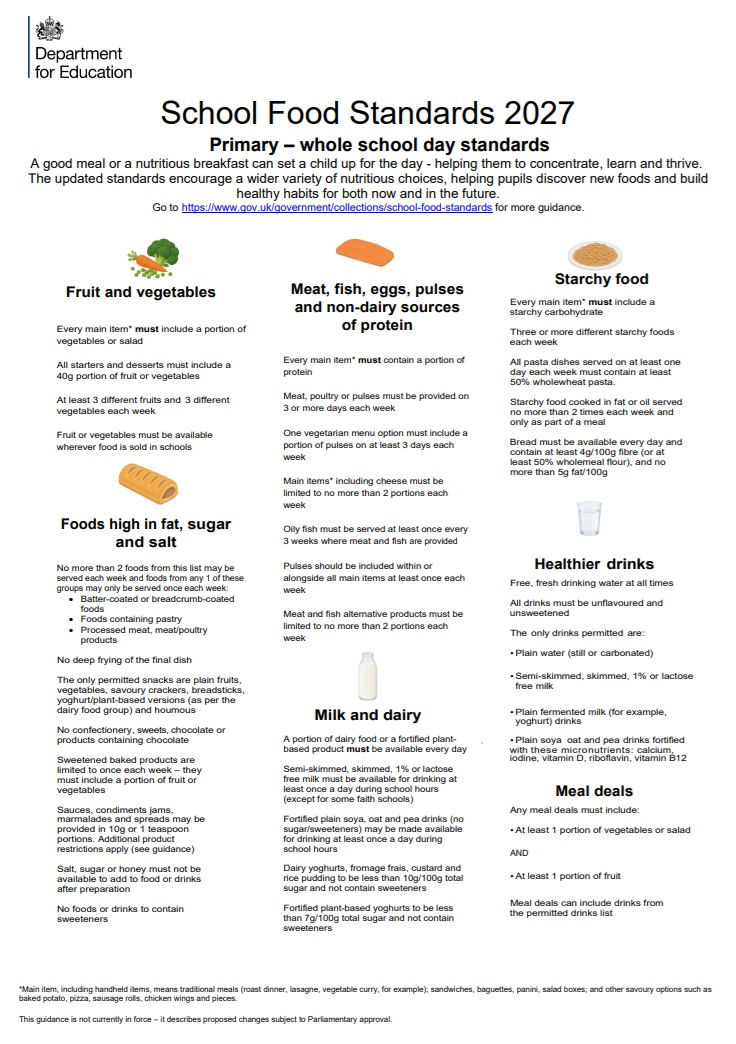
The 2026 School Food Standards
The 2026 update is expected to move school food in England closer to current public health advice. The full impact will depend on the final wording, guidance and enforcement, with the final draft of the standards coming into effect in September 2027.
The new standards are expected to put stronger focus on:
Healthier everyday food
Less sugar, salt and saturated fat
Fewer deep-fried foods
Better use of wholegrains
More fruit and vegetables
Balanced meals across the week
Clearer expectations for caterers
More recognition of non-meat protein foods
But will these changes treat plant-based meals as a proper part of school food, or will they remain a special request? The current information does not stipulate that a plant-based meal must be available for breakfast, lunch or school clubs each day.
If plant proteins are made more prominent on menus, schools will have a clearer route to good vegan meals. Beans, lentils, chickpeas, tofu, peas and soya mince are not fringe foods. They are normal ingredients. They are used in low-cost, high-fibre meals around the world and can be used to make vegan lunches with dishes such as:
Lentil bolognese with wholewheat pasta
Chickpea and vegetable curry with rice
Bean chilli with jacket potato
Tofu stir-fry with noodles
Split pea dhal with flatbread
Soya mince shepherd’s pie with vegetables
Hummus, falafel and salad wraps
Vegetable and bean stew with bread
The 2026 changes could also help schools move away from the idea that vegan food is “missing” something. A meal does not need meat, cheese or egg to be complete. It needs planning. A good standard should make that plain.
Where the Changes Don't Go Far Enough
The 2026 update will only make a difference to vegan children if it removes animal products from meals where they are not required, gives plant proteins a stronger role and pushes schools towards healthier, more inclusive food.
The next version of the standards should include clear duties in five areas.
Schools should offer vegan meals without having to request them
A vegan child should not have to bring a packed lunch because the school doesn't provide a basic meal.
Schools should be required to provide a suitable vegan lunch when a family requests it. This should apply whether the child pays for meals or receives free school meals.
A request system can still give kitchens time to plan. But the answer should not be “no”.
Vegan meals should be nutritionally complete
A vegan option should not mean chips and an apple.
The standards should explain what a balanced vegan school meal looks like. This does not need to be complicated. Guidance could set out normal ingredients and simple meal examples. Meals should include a protein source, provide energy for the school day, use fortified foods where helpful and not rely on the child carrying extra food from home.
Vegan food should be appealing
Children are more likely to eat food that looks and tastes good. A vegan child should not receive the same plain pasta three times a week while other children get varied meals. Menus should rotate, use familiar dishes and make vegan children feel included.
Staff should get clear guidance
Catering companies, kitchen and lunch staff need to know that vegan food excludes meat, fish, dairy, eggs and honey. They need to understand hidden ingredients in stock, pastry, sauces, margarine and desserts. They also need clear allergen processes, as some vegan products contain soya, wheat, sesame or nuts.
The rules should be checked
Standards only work when schools follow them, and families need a clear route to raise concerns. Schools need to know who is responsible for fixing poor provision, and caterers need to be held to the same expectations as school leaders.
Every Child at the Table
The Young Vegan is starting a campaign called Every Child at the Table.
The aim is simple: vegan children should always have the option of a tasty and nutritious meal at school.
Meals for vegan children need to be more than a token option. They need to allow a child to eat with confidence and support their health. Vegan children need to be able to sit with friends without feeling singled out. The campaign matters because school food policy often discusses cost, health and standards, but forgets the child standing at the counter. It is unfortunate that schools work so hard on fighting bullying within their settings, then make vegan children feel like the odd one out every lunchtime.
Every Child at the Table will focus on practical change. The campaign will call for:
Clear national guidance on vegan school meals
A reliable vegan option for every vegan child
Menus that include balanced plant-based dishes
Better training for school catering teams
Fair access to free school meals
Respect for vegan children and their beliefs
This campaign asks that schools do not force vegan children to take part in non-vegan activities. This includes dissection, egg racing, and chick hatching projects. We will contact every school in the country to discuss how they support vegan children. We will also reach out to school catering companies and local authorities about their duty of care for children in their area.
FAQ
Do schools in England have to provide vegan meals?
At present, there is no national rule saying every school must provide a vegan meal every day. Schools should take dietary needs seriously, and ethical veganism is a protected belief under equality law. Families may need to make a clear request and ask how the school will meet it.
Are vegan meals healthy for children?
They can be. A vegan meal for a child needs planning. It should include energy, protein, vegetables, and key nutrients such as calcium and iron. Vitamin B12 usually comes from fortified foods or supplements. Families should seek advice from a qualified health professional if they have concerns about their child’s diet.
What should a good vegan school lunch include?
A good vegan school lunch should include a filling base such as rice, pasta, bread or potatoes, a protein such as beans, lentils, chickpeas, tofu or soya mince, and vegetables or salad. Fortified plant-based foods can help with calcium, iodine and other nutrients.
Will the 2026 standards solve the problem?
They may improve it, especially if they give plant proteins a clearer place in school menus. They will not solve the problem unless schools must provide suitable vegan meals when requested and the rules are checked.
What can families ask a school for now?
Ask for the menu in advance. Ask which meals are vegan, how ingredients are checked, and what protein source is included. If the child receives free school meals, ask how the school will provide equal access to a full suitable meal.
The takeaway
England’s 2026 school food standards can be a step forward. They can help schools plan healthier meals and give plant proteins a stronger place on the menu. But the final version will not be released until the proposal has received parliamentary approval.
Regardless, vegan children need more than broad improvements. They need a clear guarantee that they can eat well at school. A tasty, nutritious vegan lunch is not too much to ask. It is basic fairness.
That is why Every Child at the Table matters. Every child deserves a proper meal, including the child who eats vegan.


