Veganism and the Environment: Embracing a Greener Future

Updated: Apr 23
Choosing a vegan lifestyle is more than just changing your diet - it’s a powerful way to contribute positively to our planet. Every meal we eat can be a step towards a healthier Earth. I’ve found that understanding the environmental impact of veganism not only motivates me but also encourages me share what I have learnt. It is a fact that veganism supports our environment, but what practical steps can we take to make a real difference?
The Veganism and Environment Connection
When we talk about veganism and the environment, we’re really discussing how our food choices affect natural resources, wildlife, and climate change. Animal agriculture is one of the leading contributors to greenhouse gas emissions, deforestation, and water consumption. By shifting to a plant-based diet, we reduce the demand for these resource-heavy practices.
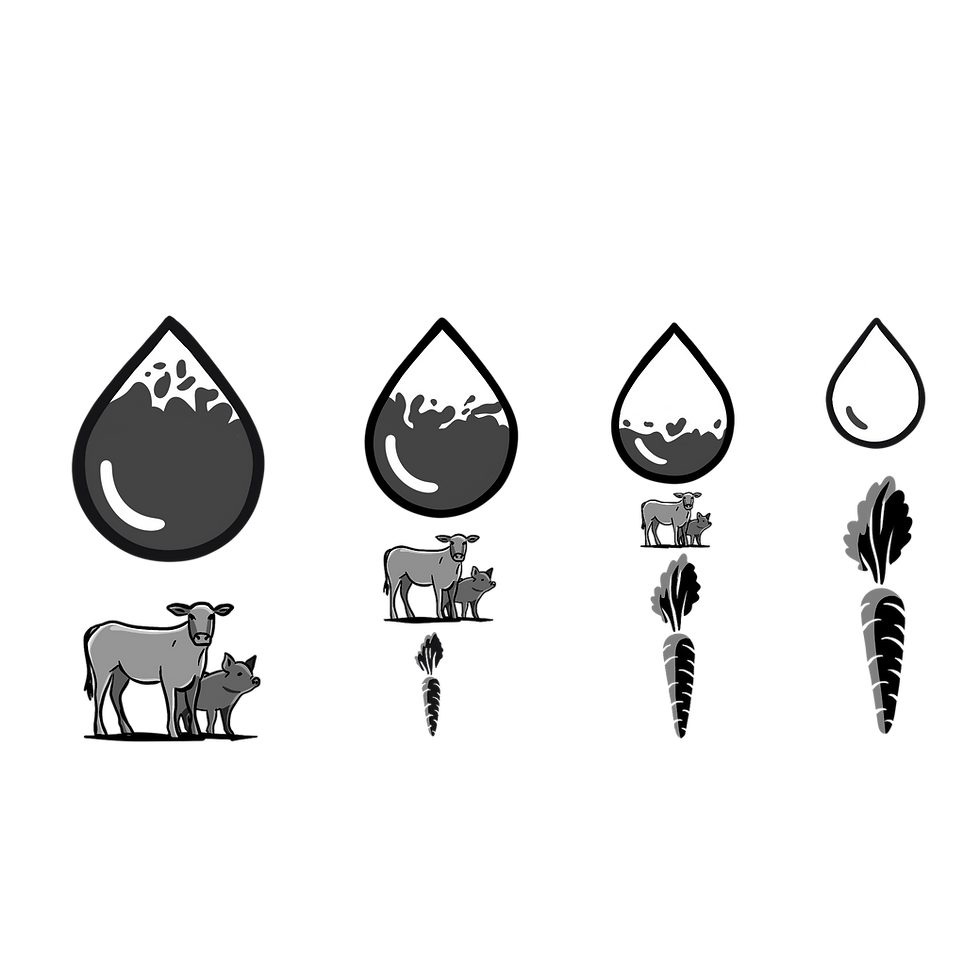
For example, producing one kilogram of beef requires about 15,000 litres of water, while growing the same amount of vegetables needs less than a tenth of this. This simple change in diet can save thousands of litres of water annually. Plus, plant-based foods generally have a smaller carbon footprint, meaning fewer emissions are released into the atmosphere.
Switching to veganism also helps protect biodiversity. Large areas of forest are cleared to create grazing land for livestock, which threatens countless species. By choosing plants over animal products, we support the preservation of these vital ecosystems.

The Environmental Benefits of Veganism in Everyday Life
Being vegan means that you aim to live in a way that does the least harm, and this is more than just avoiding animal products. Here are some key environmental benefits you can enjoy and share with others:
Lower Greenhouse Gas Emissions: Animal farming produces methane and nitrous oxide, two greenhouse gases that are far more potent than carbon dioxide. Plant-based diets help cut these emissions significantly.
Reduced Water Usage: Growing plants uses less water than raising animals, helping conserve this precious resource.
Less Land Use: Plant crops require less land than livestock, allowing more space for natural habitats.
Decreased Pollution: Animal farms often contribute to water and soil pollution through waste runoff. Plant farming tends to have a lighter environmental footprint.
Reduced Resource Waste: Not only are resources used to breed, rear, kill and process animals, but they are also used to produce their feed. Going plant-based means that plants are used once for human consumption, rather than being processed through an animal to produce meat, dairy, eggs and other animal-based products, cutting all resource use, including energy.
Conservation of Biodiversity: By reducing demand for animal products, we help protect endangered species and fragile ecosystems.
These benefits become even more meaningful when we see how our choices ripple outwards, influencing markets and encouraging sustainable farming practices.
Practical Tips to Maximise Your Environmental Impact
Adopting veganism is a fantastic start, but there are ways to amplify the positive effects on the environment. Here are some practical tips I’ve found useful:
Minimise Food Waste: Plan meals, store food properly, and get creative with leftovers.
Cook from Scratch: Cooking meals from scratch enables you to include all of the nutrients that you need, while avoiding processed and ultra-processed foods.
Grow Your Own Food: Even a small herb garden can reduce packaging waste and connect you with nature. You can also use seeds from fruits, such as tomatoes, to grow your own.
Reduce Packaging: Try bulk buying, choosing loose fruits and vegetables in stores and reusable containers.
By incorporating these habits, you’re not only using veganism to create a greener future but also creating a more mindful and enjoyable vegan lifestyle.
Veganism as a Greener Future
Choosing veganism is a beautiful way to show care for our planet. The environmental benefits of veganism are clear and inspiring, offering a path to reduce our ecological footprint while enjoying delicious, nourishing food. Every small change counts, and together, we can create a more sustainable world.
If you’re curious to learn more or want to deepen your commitment, check our other blog posts for guidance and educational content. Remember, this journey is about progress, not perfection. Let’s celebrate each step towards a greener future with kindness and enthusiasm.